The Different Types of Production Company (And How to Pick the Right One)
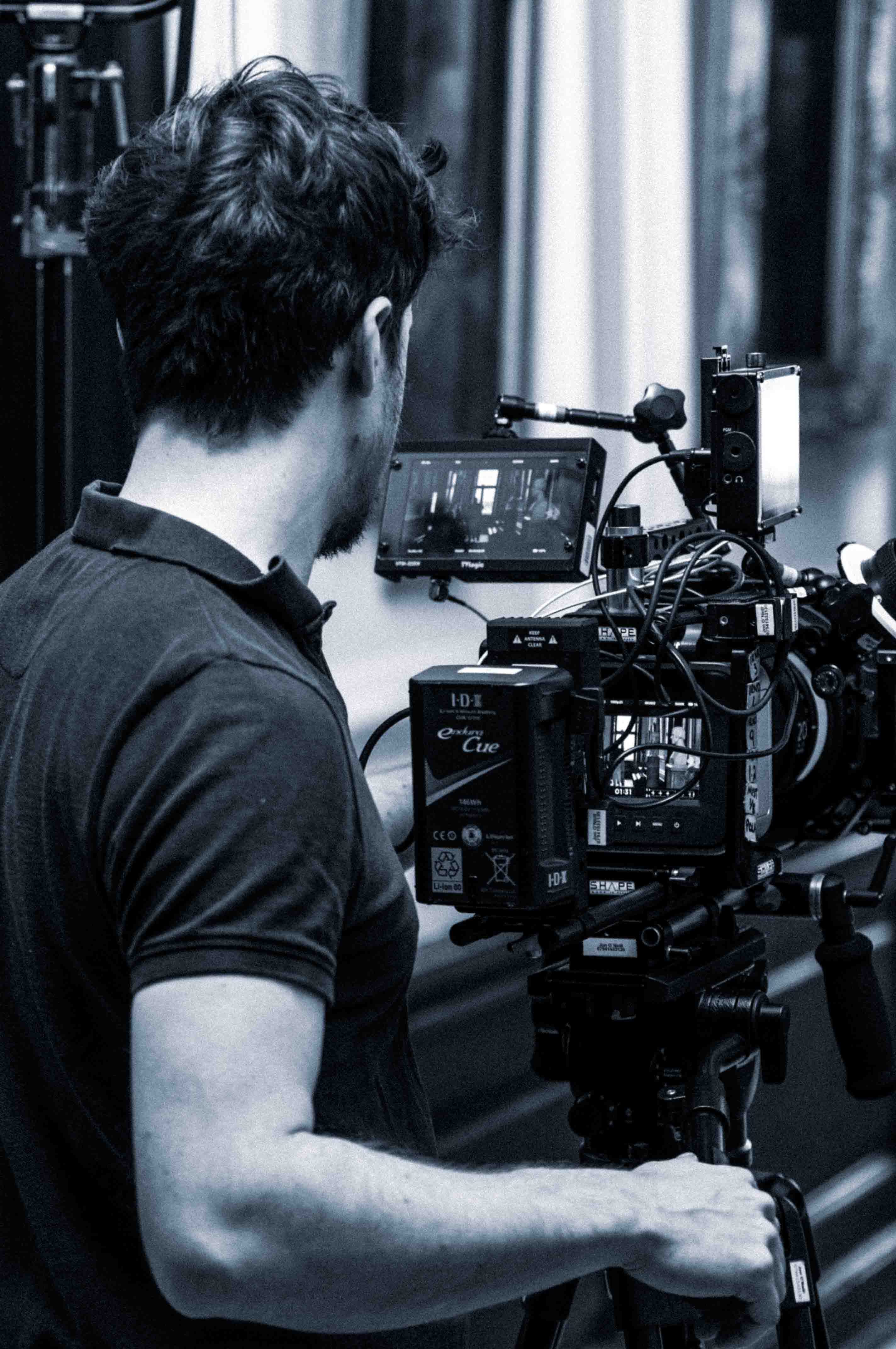
Production companies are the starting point for a successful video production. Choosing the right one for the job is of utmost importance because the wrong one can turn your great idea into a flop and the right one can exceed your expectations. As you can imagine, choosing a production company for a corporate video or film is often highly dependent on budget, running from one person with a handycam or DSLR to the next £10 million John Lewis advert. This is because each video’s cost comes down to a huge variation of factors. For example: talent (actors and models) used, props used, filming equipment, filming location and studios and so much more. Furthermore, each production company is unique in different ways and offer different things, for example specialisations in terms of experience within specific sectors or a unique approach. So do your research!!
.jpg)
What is a Production Company?
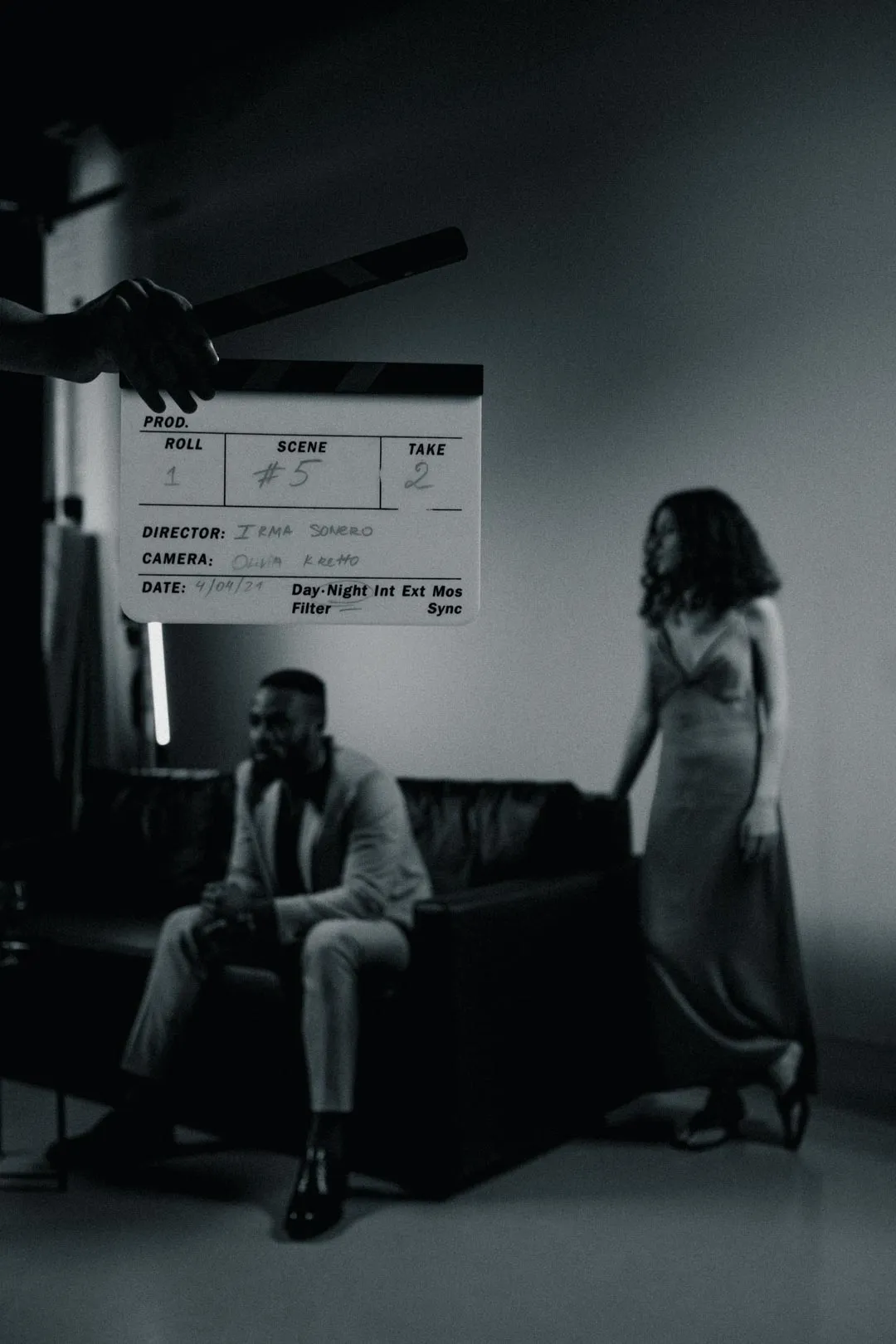
Firstly, it might be a good place to start with what even is a production company? In a nutshell, a production company makes video content, then packages it for the world. That covers films, adverts, theatre, events (experiential), and television programmes. On larger film projects, the production company will also seek finance and investment for the film itself. That's partly why you see the dizzying array of different logos at the start of your favourite film, especially independent ones. It can get crazy sometimes with a long list going "ABC productions, with XYZ films and 123 pictures present a 789 film."
Bigger projects can also involve a distributor and, in the case of a subsidiary of a major studio (think a motion picture arm of a company like the Walt Disney Company), a longer chain of collaborators handling script writing and visual effects. Production companies generally take a collaborative, integrated approach, with specialists brought in as freelance talent further down the food chain.
Types of Production Companies
.jpeg)
There are several different kinds of production companies, all of which serve different purposes and create different outcomes (another thing to consider when choosing your production company). Below is a breakdown of each type of production, and what each one is built to do.
Film Production Companies
From Hollywood to Bollywood and Nollywood, feature film is a firm favourite across every culture, and the UK has built its own serious slice of that industry. London remains the hub, but studios at Pinewood, Leavesden, and Cardiff have turned the UK into one of the busiest film production bases outside the US. Along with making the film itself, these companies also deal with the headache of hiring on-screen and off-screen talent, writers, musicians, location scouts, a team for pre-production, post-production, legal, and a whole lot more to boot. Feature films sit at the heavier end of the entertainment industry, which is why the biggest ones tend to come out of major studios or a UK production house working under a larger international parent.
TV Production Companies
TV production companies work like film production companies, but with a broadcaster in the room. They also have to hit a very specific timeframe. Programmes usually land just under half an hour or an hour on a non-commercial broadcaster like the BBC, or roughly 23 minutes and 47 minutes on a commercial channel where ad breaks are added to bring it up to the half hour or hour mark. UK advertising rules from Ofcom cap public service channels (ITV, Channel 4, Channel 5) at an average of 7 minutes of ads per hour, while other channels can run up to 12. Those limits are exactly why commercial TV production runs to slightly shorter cuts than the BBC equivalent.
Commercial Production Companies
What does a commercial production company actually make? A commercial video production company is usually equipped to create a wide variety of videos, everything from lower-end work like screengrab videos to full-blown TV adverts. Most people, when they think of one, still picture the classic corporate video with its hallmark of the CEO cheesily addressing the camera over a looping muzak riff. Things have moved on though. Today, commercial production companies are making explainers, brand films, awareness videos, training videos, and even creative video content like music videos and short films. Our own recent brand film for NHS England is a good example of what modern commercial work actually looks like in practice. A breadth and depth of work is something you'd look for in a production company if you're a small business promoting your products or brand.
Post Production Companies
Post-production is where the film gets made. Editing, special effects, colour correction, sound mixing, and music composition are the cherry on top in the magic of filmmaking. Post-production is arguably the most magical of all the production types, because there's so much room for experimenting. It's all about making your creative vision come to life on screen. All editing happens in tiny rooms where masterful post-production wizards piece together raw footage to create a beautiful final video. On bigger jobs, script writing and visual effects also loop back into post, which is why the technical aspects of these later stages of production matter so much to how a film actually feels.
Animation production companies
A well-made animation can elevate your storytelling to the next level. Most animation studios today lean on computer-generated animation, though stop motion and hand-drawn styles are still very much alive, especially for personality-led brand work. A good animation production company will handle 2D, 3D, and motion design under one roof, and know when to reach for each.
Niche Production Companies
A niche video production company usually has one thing it's really good at. Generally that's a sector focus or a very particular style of filmmaking. "Tabletop" production companies, for example, specialise in shooting footage of food being prepared, using special micro cameras. If your project lives or dies on a specific look, a niche production house often beats a generalist.
How do you know which company you need?
Match the type of production company to the format, budget, sector, and where the video ends up. So how do you actually choose? Well, just drop them a line. But before you do, run through this quick check:
- Format: film, TV, ad, animation, or post only?
- Budget: where do you land on the handycam-to-John-Lewis scale?
- Sector experience: do they know your industry well enough to shortcut the brief?
- Distribution: cinema, broadcast, paid social, sales page, or all of the above?
Still torn? Our reads on videographer vs a professional video production company and when to hire a video production company work through the two most common forks in that decision.
And that finally brings us to this , what does Simply Thrilled have to offer?
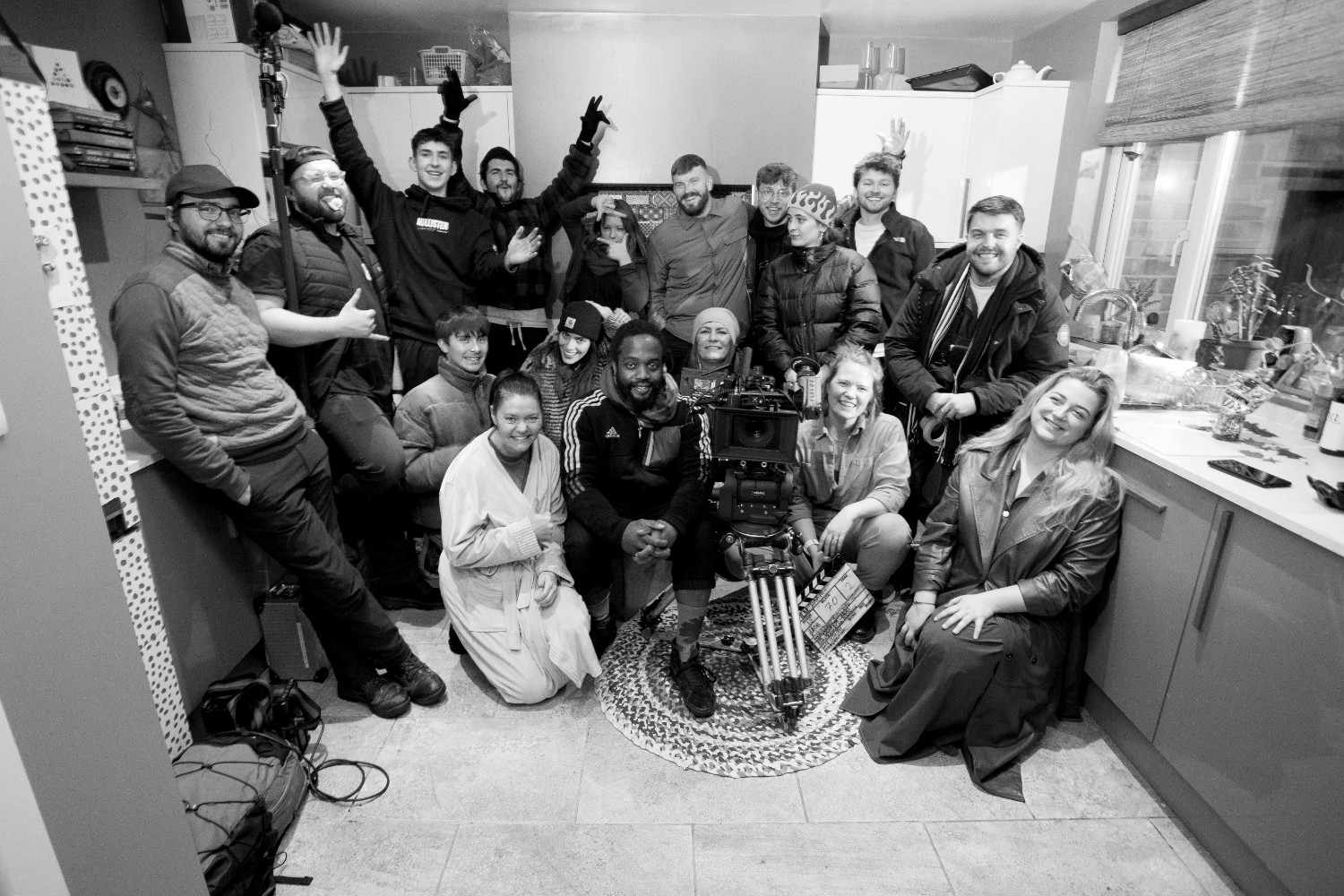
Simply Thrilled is a hybrid production company and creative agency, so we offer more than general video production. What's genuinely different is that we can tell you what your audience actually loves watching, then make something original they'll love even more. We use social intelligence that scrapes analytics from millions of pieces of video content online, and our own proprietary creative tool analyses the top performers across over 500 elements. Armed with that, we produce work that lands. If you'd rather see it than read about it, our long-form film and TV work sits alongside brand campaigns for clients across the UK.
Types matter less than fit. The best production team for your brief is the one that gets the format, the audience, and the numbers right the first time, not the one with the longest showreel.
Get in touch and let's hop on a call and see what magic we can work for you.
Frequently Asked Questions
1. What's the difference between a production company and a production house?
In everyday use, the two terms are effectively interchangeable. Both refer to a production business that develops, shoots, and delivers video content. "Production house" is a common informal variant; "production company" is the more standard term used across the industry.
2. What are the main stages of production a company handles?
There are three: pre-production (scripting, casting, storyboarding, planning), production (the actual shoot), and post-production (editing, VFX, colour, sound). A full-service production company handles all three; a niche one might only cover a single stage.
3. Do production companies distribute the videos they make?
Some do, most don't. Traditionally, a distributor was a separate company, especially for feature films and TV. Today, plenty of commercial and video production agencies also help clients distribute across online platforms, paid social, and other media platforms as part of the same brief.
4. How do I choose a commercial video production company for a small business?
Look at their past work for businesses your size, ask what their process is, check the sectors they specialise in, and confirm who from their team will actually work on your project. Choosing a video production company on price alone is usually a false economy.
5. Are "different types of production" the same as batch, job, flow, and mass production?
No. Batch production, job production, flow production, and mass production are methods of production in manufacturing (part of the manufacturing process, common in GCSE Business studies). The different types of production company in this guide refer to entertainment and media businesses that make video content, which is a completely separate topic.