From First Pitch to Final Cut: What Changes and Why
When comparing the first proposal we came up with to the finished product video we made, there can be quite a big difference. This may seem strange at first, but in most cases, it is a good sign. The brief sets the objective, yet the process of achieving it may change along the way as new ideas emerge during development and production.
Why the Brief Is Just the Beginning, Not the Blueprint
The brief is not a finished script or a fixed blueprint. The brief is a guideline that provides direction for the project on its aims, target market, and messages. The value of great ideas lies in their successful implementation, which usually involves improving upon them. The problem statement is designed to ensure that the team tackles the right problem while providing the freedom to find the best solution.
The Discovery and Exploration Process
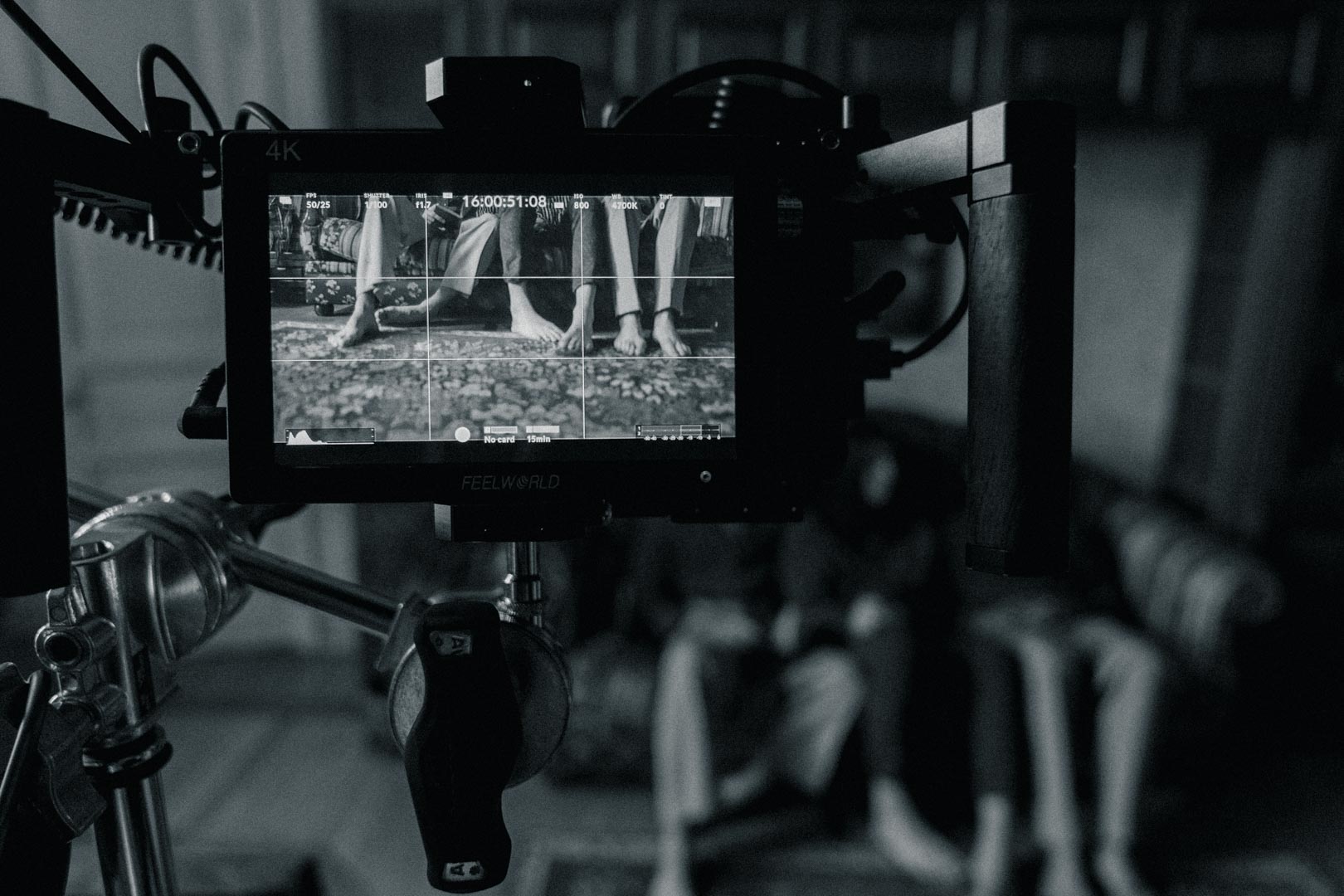
Discovery is a creative video production process that occurs before any film production. Here, ideas are evaluated and developed. Creative teams assess their ideas against audiences' preferences and current market conditions. This can sometimes lead to better storytelling without losing sight of the initial goal.
Because the strategy is already clear, the creative approach can be developed with total confidence. There can be changes in the visual approach, storytelling techniques, pace, and production methods. They are not an indication of the brief being flawed. Rather, it is an indicator of the team's dedication to ensuring the best outcome.
The result may be completely different from the initial proposal. However, it will still accomplish the same business objectives. Since the creative team uses the brief as a springboard rather than a Bible, the video can have a commercial impact.
Strategy First: Why Execution Without Direction Fails
It is easy to start by thinking about how to style things, which cameras to use, and where to shoot. There's no use climbing a ladder that's propped against the wrong wall. However good the execution looks, it won't matter if the strategy underneath it is wrong. According to video marketing benchmarks, unclear objectives at briefing stage are the leading cause of wasted production budget and wthout a clear strategy, production resources and budget can easily be wasted. The basic business strategy must be clear before a script is written or a storyboard drawn.
The core task of every video production agency is to ensure that execution is consistent with the client's commercial goals and target market. The video must not only be aesthetically pleasing but also appeal to the target market's needs. Strategy is the key element that underpins all future decisions, including choosing actors or picking the last song in post-production.
Strategic Foundations Before Filming
The North Star Concept: Staying Aligned Amid Change
Making a video from beginning to end involves adjustments to several factors, such as revising the script, changing the filming location due to weather conditions, or other reasons. With so many moving parts, how can one ensure everything is connected in production? It is here that the North Star idea comes into play.
The North Star represents the one central message that the video needs to communicate. Nevertheless, despite the variation in the techniques used and the visual aspects presented, the North Star remains the same. For instance, if "Our software enables small business owners to get back their time" is what our brand film is about. Anything done to the script and the special effects that do not fall under this theme is discarded.
This ensures maximum flexibility throughout the video production brief process, in a creative way, without compromising on strategy. This way, from people making videos for companies to people controlling cameras on the set, everyone would have a single aim toward which they would strive.
Where the Rubber Meets the Road: Execution
The process from concept to execution involves a structured process flow. A traditional process flow includes three phases: Pre-production, Production, and Post-production.

Pre-Production
At this point, the script is made final, storyboarding takes place, locations are decided, and the technical team is hired. In this instance, the description of the film crew to the client shows the duties of each member of the film crew. The project now progresses from theory into practice where the polished approach to creativity is linked with the budget.
The Production Phase
This is the point where actual filming takes place. This stage sees the coming together of the production team, including directors, camera operators, gaffers, and sound specialists, to film the shots. A professional production company typically manages this stage to ensure quality and consistency. However, a full production company ensures an interconnected team of specialists who can engage in simultaneous massive brand film production, lighting design, and talent direction.
Post-Production
After production comes the post-production stage, in which the editing takes place along with sound effects and sound balancing. At this stage, the concept comes to life as raw footage is transformed into the brief to final film.
Brief vs Final Film: What Actually Changed
-0p0
p0-[;;.ōl̥
Understanding how a video brief evolves requires comparing the initial request to the finished piece. This comparison highlights how creative expertise can refine and elevate the original idea into a high-quality final film.
Comparative Evolution Matrix
Why Evolution is a Positive Sign, Not a Failure
Some clients become uneasy when the final video varies from what was originally laid out in writing. They assume this deviation is due to something going wrong along the way or to their ideas being overlooked. For the professional film industry, this change is definitely a good sign of success and not one of failure.
It is impossible to describe how an actual performer delivers a line from the office chair, how sunlight actually falls on a particular place, or how music changes the emotional tone from concept to final cut. A flexible creative process often indicates that the video is being refined and optimized for greater impact. Being rigid leads to uninteresting corporate videos. Flexibility, underpinned by a North Star strategy, helps create unique brand assets that stand out in crowded digital spaces.
Practical Tips for Clients on Writing a Brief
For your next creative video agency process UK to be successful, you will need to create a brief that encourages teamwork without restricting it. With these useful tips, you can set up a good base:
- Focus on the 'Why' and 'Who', Not the 'How': Following recognised agency briefing best practice, be clear about your business challenges, marketing objectives, and target audience. The camera angle and script structure will be left to the creative agency.
- Define Your Constraints Early: Be transparent about your budget limitations, mandatory brand guidelines, and delivery deadlines so the agency can develop realistic ideas.
- Identify the Core Message: Identify the one message that is most important for your audience to remember after watching the film.
- Provide Reference Examples: Provide web links to other videos, songs, or artworks that share a similar feel to your idea, and state specifically what you like or don't like about each.
What This Means for Brands Working With a Creative Agency
When your brand hires a corporate video production company to make corporate videos, it is more than just a business deal – it is a partnership of creativity. For maximum returns on investment, trust the creativity of the people behind production who will test out your first ideas. Trust their expertise in pacing, visual storytelling, and creative execution.
Review the project during certain milestones like script lock, storyboarding, and the initial rough cut, rather than trying to micromanage the changes that take place on set. The professional collaboration will ensure the project runs smoothly, protect the brand, and give the agency the freedom to create amazing visuals.
The Bottom Line
The journey from the initial brief to final cut brand film is a creative and collaborative process. A good brief will always help steer, but never control. With a clear strategy, a defined North Star, and space for the concept to grow during pre-production, production, and post-production, the brand will be able to generate effective video content that connects with its target audience.
At Simply Thrilled, our process works the same way for all projects we take on. Our team integrates business and creativity to turn ideas into powerful films with impact from the first concept to the final product.
FAQs
1. Why does the final film often differ from the original brief?
The final product becomes different due to discoveries, creative possibilities, and understandings that arise during the production process. The changes that come about are usually positive for the final result.
2. Is changing the creative direction during production a bad sign?
No. Evolution through creativity is generally good. So long as the project aligns with business goals, any changes will improve storytelling.
3. How can brands improve the video production brief process?
Brands should clearly communicate goals, target audience details, budgetary constraints, the timeline, and key messages, while giving the creative team the flexibility to explore ideas.
.webp)