Film Crew Roles on a Professional Video Shoot: Who Does What
Video production is a collaborative process which involves many people. Each person on the set has his or her own job to do. Every individual in the crew plays an important role in making the video successful.
Understanding about film crew personnel is equally important in the case of commercial films, corporate films, product films, training films, and promotional films. This helps businesses utilize their budget efficiently and facilitate.
In this post, you will learn about the key film crew roles on a film set, how the film production roles hierarchy works, and how to determine who do you need for a video shoot for your film production.
Why Knowing Film Crew Roles Matters Before You Hire
Starting a video project can feel overwhelming. You might know you need animation or corporate video production services, but you may not yet know who will walk onto your film set. Understanding the duties and production crew responsibilities of the film crew will help you create your budget, avoid confusion, and ensure your shoot runs smoothly.
Once you understand the specific video production crew roles explained, you will be able to hire the right personnel for your production. This way, you won’t have to pay for extra personnel you don’t require for your filming. Knowing who does what makes sure that every penny is used to improve the final output video. Understanding film crew roles is also recommended by industry bodies such as the British Fil Institute (BFI), which provides resources on filmmaking and production.
The Production Department: Who Steers the Project
The production department oversees all logistics, finance, planning, and company related to the making of the film. They ensure that other film crew and their roles have everything they need to do their jobs.
- Producer: The business leader who raises the money, hires the main personnel, and supervises the whole process from beginning to end.
- Director: The creative leader in charge of the artistic concept, direction of actors and crews, and the decisions regarding the visual representation of the story.
- Unit Production Manager (UPM): Budget management for the day-to-day activities, expense authorization for physical items, and logistics for the crew.
- Production Coordinator: The focal point for organizing everything from paperwork to equipment rentals and monitoring crew communication.
- Production Assistant (PA): The first-level crew job that entails general film crew roles and responsibilities such as the movement of supplies, the delivery of papers, and guidance in crowd control on the set.
Camera Department Roles
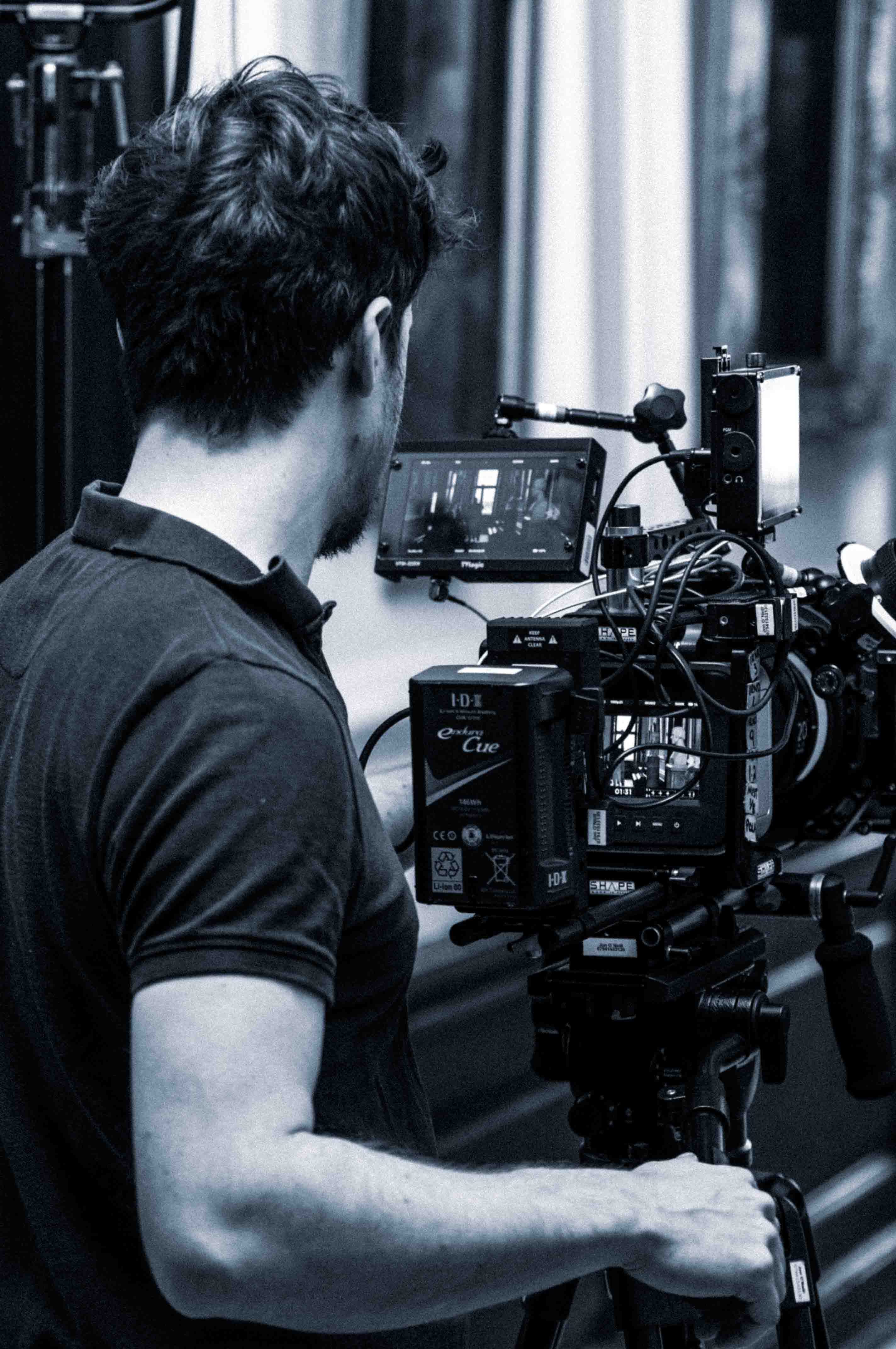
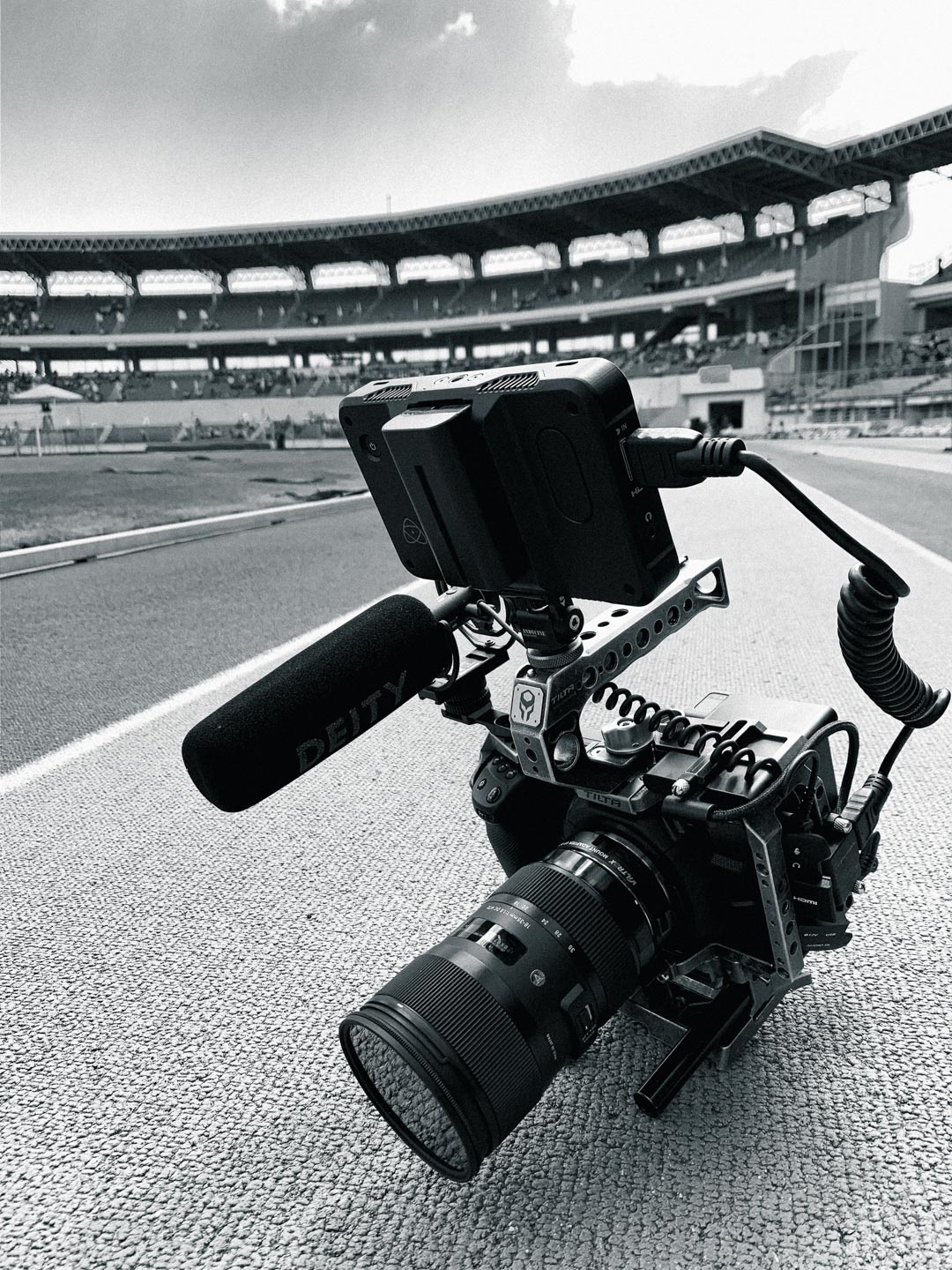
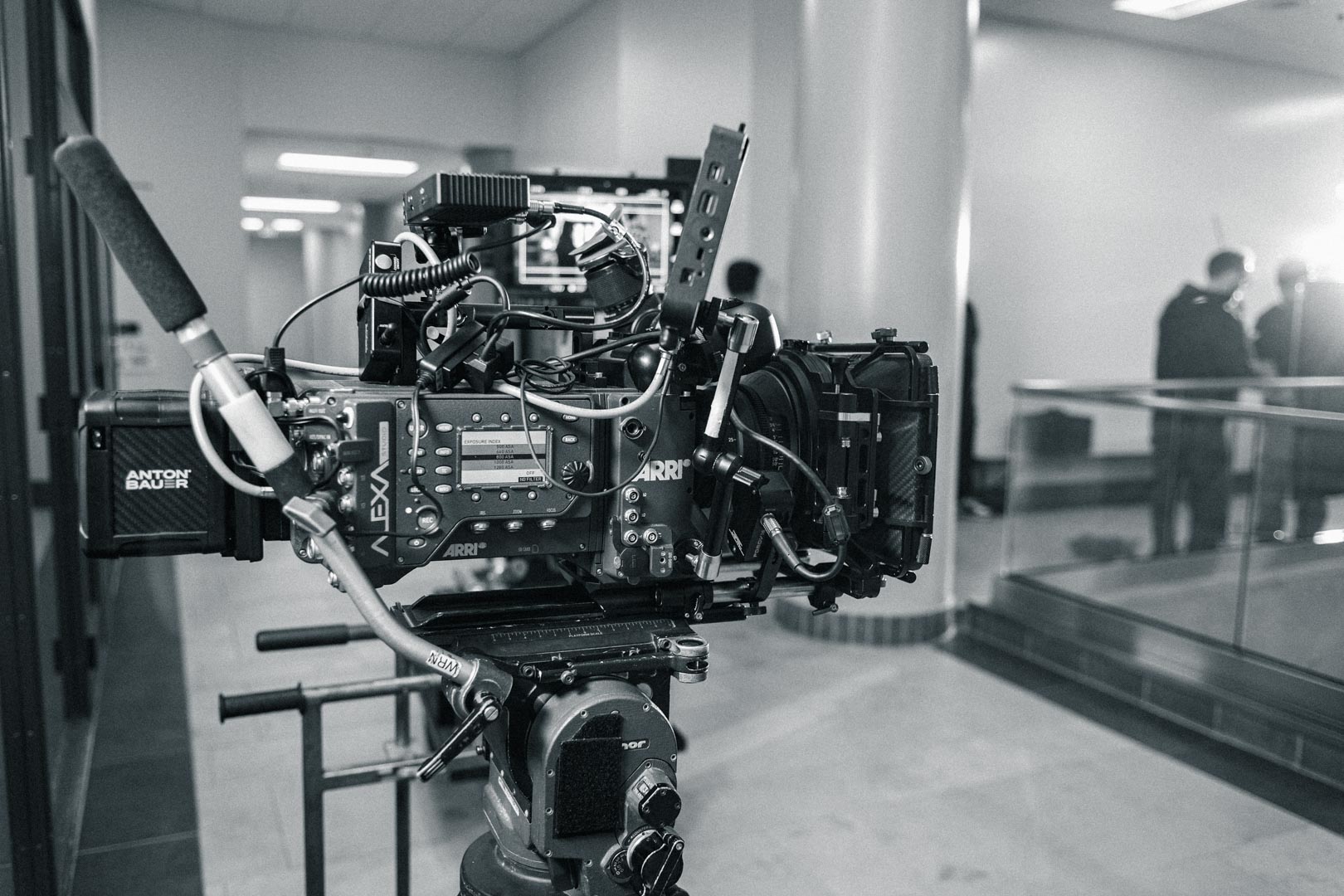
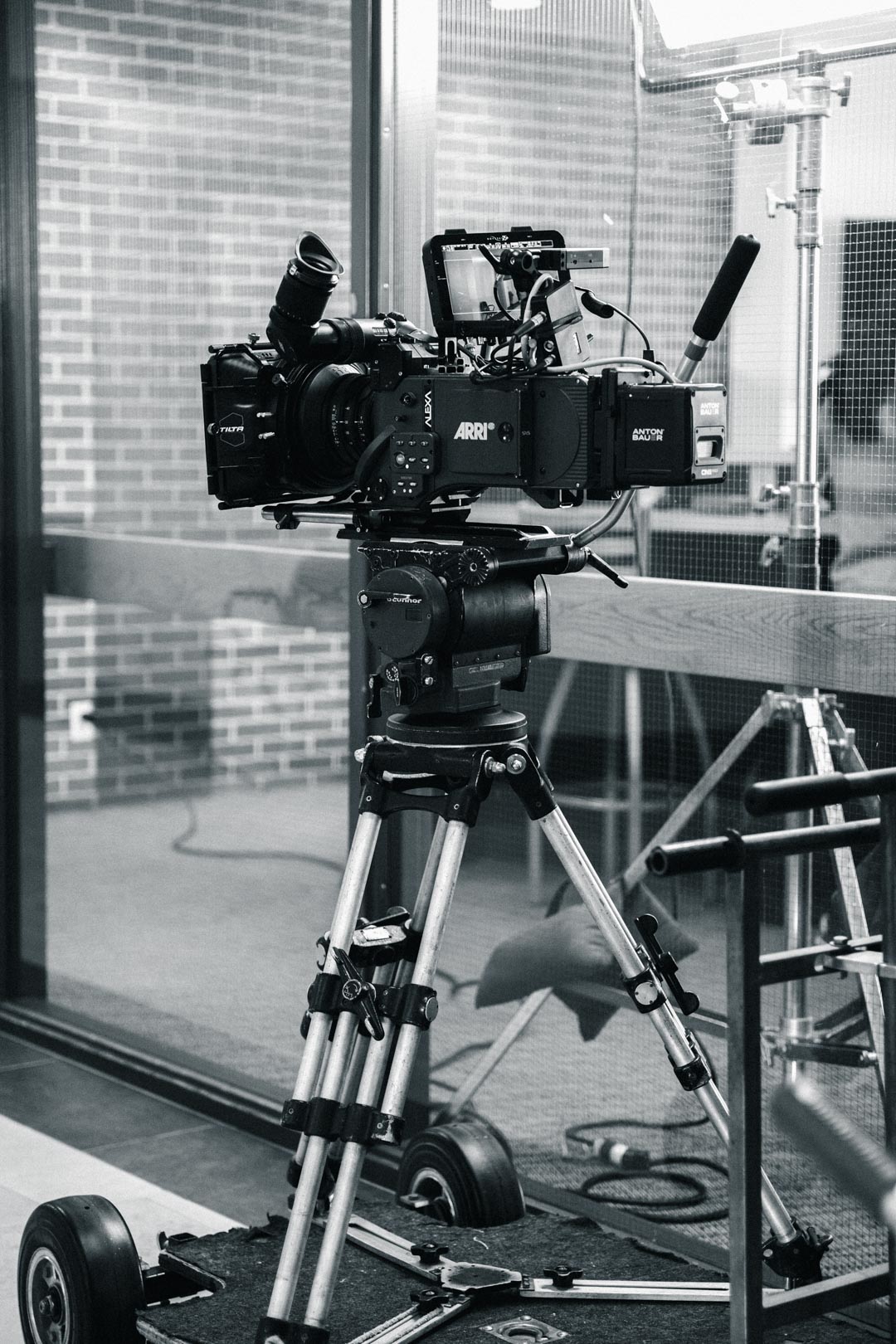
The camera department captures the actual images of the film project. Their main functions include controlling focus and camera positioning, as well as operating sophisticated video cameras.
- Director of Photography (DP): Sometimes known as the Cinematographer. Work with the director to create the film's look, using lenses, camera movement, and framing.
- Camera Operator: The person who actually controls the movement and handling of the camera according to the very precise instructions set out by the director of photography.
- First Assistant Camera (1st AC): Also known as a focus puller. The primary role of the people is to maintain perfect focus on the moving actors through the lens of the camera.
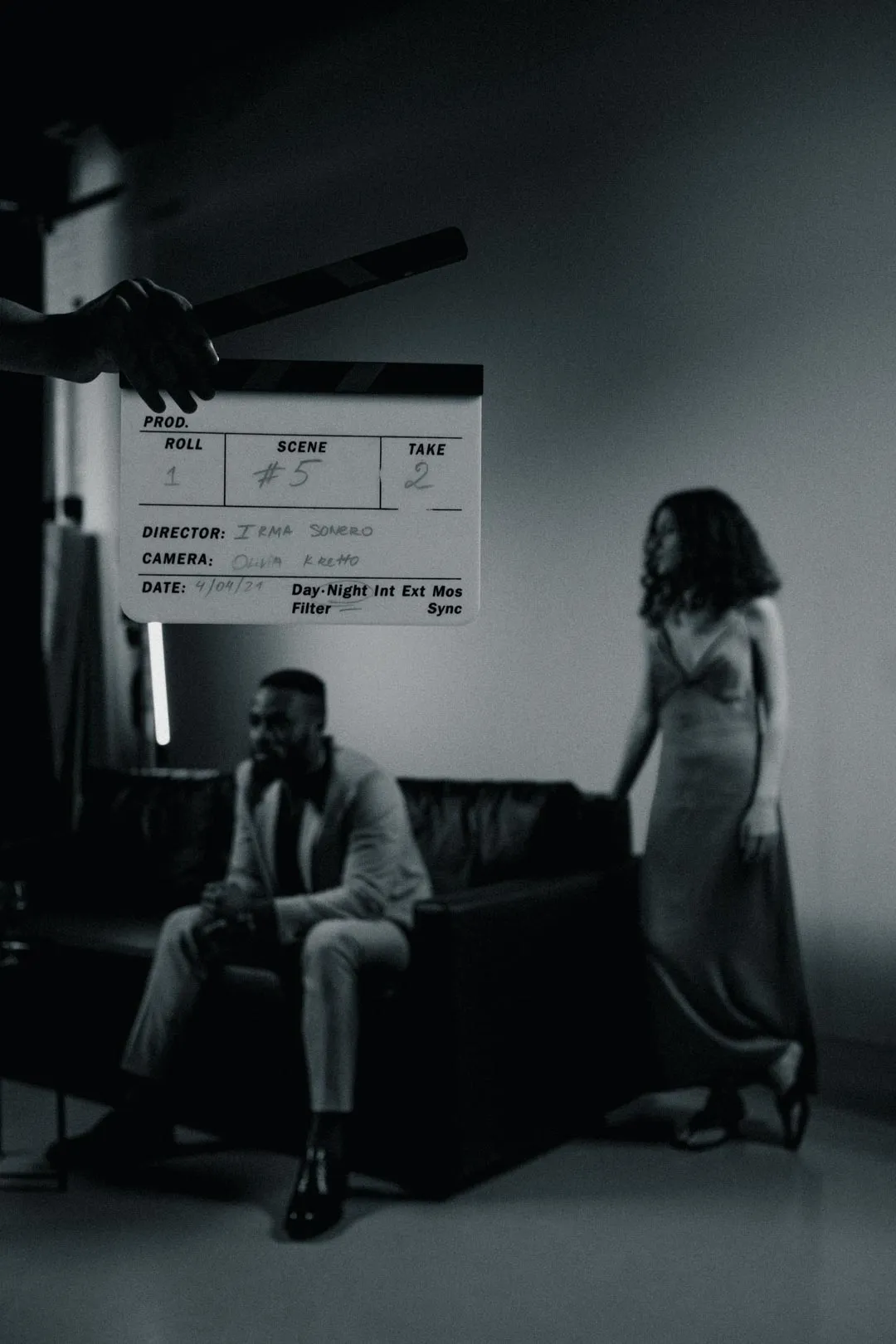
- Second Assistant Camera (2nd AC): Operates the slate/clapperboard, documents camera settings for each take, and controls the camera data cards.
.jpg)
Sound Department Roles
Good audio is half the battle for every good video presentation. The sound crew ensures that dialogue and environmental sounds are captured on location.
- Production Sound Mixer: The person responsible for sound levels in the studio, managing mic inputs, and recording all live dialogue is the head of audio.
- Boom Operator: Maintains the microphone boom above or below the actors' heads, ensuring clear audio without appearing on screen.
Art Department Roles
The art department creates the visual landscape of the story environment. It has total control over everything within the frame, other than the actors themselves.
- Production Designer: The creative mind responsible for the design and look of the physical settings, colors, props, and architecture.
- Set Decorator: Chooses and purchases the items that decorate the location, including carpets, curtains, art pieces, and furniture.
- Set Dresser: Places, moves, and positions items in the studio setting before and during filming.
Lighting and Grip Department Roles
Lighting and grip work as tight partners. They coordinate with the camera department to shape lighting, control shadows, and manage the equipment used by the camera crew.
- Gaffer: The primary lighting technician who follows through on the DP's lighting design plan by setting up the lights and balancing electricity.
- Best Boy Electric: The primary assistant to the Gaffer, responsible for the electrical department, trucks, and safety cables.
- Key Grip: Leader of the grip department, which deals with camera mounts, rigging, cranes, and lights.
- Best Boy Grip: Logistic Manager of the grip department, who arranges inventory and manages the grip crew.
Post Production Roles That Bring the Footage to Life
Post-production is done after the actual shooting. It entails putting the puzzle pieces gathered into a single digital asset.
- Video Editor: Takes care of cutting and organizing raw footage to determine the video's timing, narrative, and performance.
- Colorist: Manages brightness, contrast, and color in video footage to maintain consistency across all shots.
- Sound Designer: Designs artificial sound effects, adds atmosphere to the background, and mixes music according to the video editing.
Above the Line vs Below the Line: Creative and Technical Roles
In the film industry, personnel involved in film production crew roles are classified into two major groups: Above the Line (ATL) and Below the Line (BTL).
How Film Crew Hierarchy Actually Works on Set
The production set of the movie operates in an organized military manner. The film crew's organizational structure ensures clear lines of communication. There is no situation in which everybody speaks out simultaneously. Rather, every crew member reports directly to their departmental head.
The director is at the head of the creative hierarchy on set, whereas the producer heads the systems of logistics and finance. The heads of various departments, such as the Director of Photography and the Production Designer, are instructed by the director and lead their teams accordingly. The structure of the chain of command eliminates any confusion in directions and ensures that the schedule is adhered to.
If you're interested in learning more about professional film crew responsibilities and career pathways, ScreenSkills offers detailed guidance for the UK screen industry.
How Many Crew Members Do You Actually Need?
Identifying who you need for a video shoot depends entirely on the size, budget, and desired style of the video you want to make. This table will help you determine how many people should be in your film crew.
The most overlooked position when working on small-scale projects is the script supervisor or data wrangler. Failure to hire someone for this job means missing files and shots that can be costly to replace later. It is clear that working with an experienced partner effectively solves this problem, ensuring that no important crew member is overlooked.
The Bottom Line
Choosing between a videographer and a production company should be based on the nature of your video requirement. A videographer is sufficient for an ordinary video, whereas a production company is necessary for larger, more complex projects. A professional team provides skilled crew members and high-tech machines and handles everything from start to finish, including editing.
Simply Thrilled helps businesses create high-quality corporate, branding, and animation videos. Our video production department manages every aspect of the process professionally and efficiently. Please feel free to check out our video portfolio. Our production services also have the added advantage of a local video crew who know about your market and production requirements.
Faqs
1. What is the main difference between a videographer vs production company?
A videographer is someone who shoots the video and handles everything else. On the other hand, a video production house offers you an entire team of professionals for shooting your video with the best possible resources.
2. Why are the benefits of hiring a local video crew so significant?
Hiring a local crew reduces travel and accommodation costs and ensures an in-depth understanding of the shooting sites, permits, and local climate. The local crew can also quickly adapt to schedule changes.
3. What does a Production Assistant (PA) do on a film set?
The Production Assistant handles daily logistical tasks to ensure smooth operations on the set. These responsibilities include crowd control, handling smaller equipment, odd jobs, location clean-up, distributing paperwork, and assisting various departments.