

Scroll-Stopping Content: 10 Video Types That Dominate Social Media
There are now 55.5 million active social media users in the UK, and that number keeps climbing.
Nearly every business, including yours, is using platforms like Facebook, YouTube, TikTok and Instagram to build a presence online.
But which content format is your audience actually engaging with the most?
The answer is video (and if you're honest with yourself, you probably already knew that).
People spend around 100 minutes a day watching online videos, and a growing share of that time now goes to social platforms rather than traditional TV.
So the real question isn't whether to use video. It's which types of social media videos are actually worth your time and budget.
Let’s explore that together.
Best 10 Social Media Video Types You Can Use
Scroll through enough marketing blogs and you'll find dozens of opinions on the "right" way to do social video. It's easy to get lost.
With years of experience in video creation and marketing, we know what works (and what doesn't) for a professional brand, no matter the niche. Different types of video work differently depending on your goal, which is exactly why we've broken down 10 of them below.
1. How-to videos
At some point, you've probably searched for a how-to video to learn a skill or finish a task. These videos are perfect for teaching your audience something new, and if your products or services need explaining, you can't really ignore how-to videos on social media.
Whether it's a simple recipe or a proper DIY project, how-to videos and tutorials are highly engaging and genuinely useful. Grey Goose Vodka, for example, uses quick tutorial-style content to show viewers how to make cocktails at home. It keeps the learning part enjoyable rather than a chore.
2. Launch videos
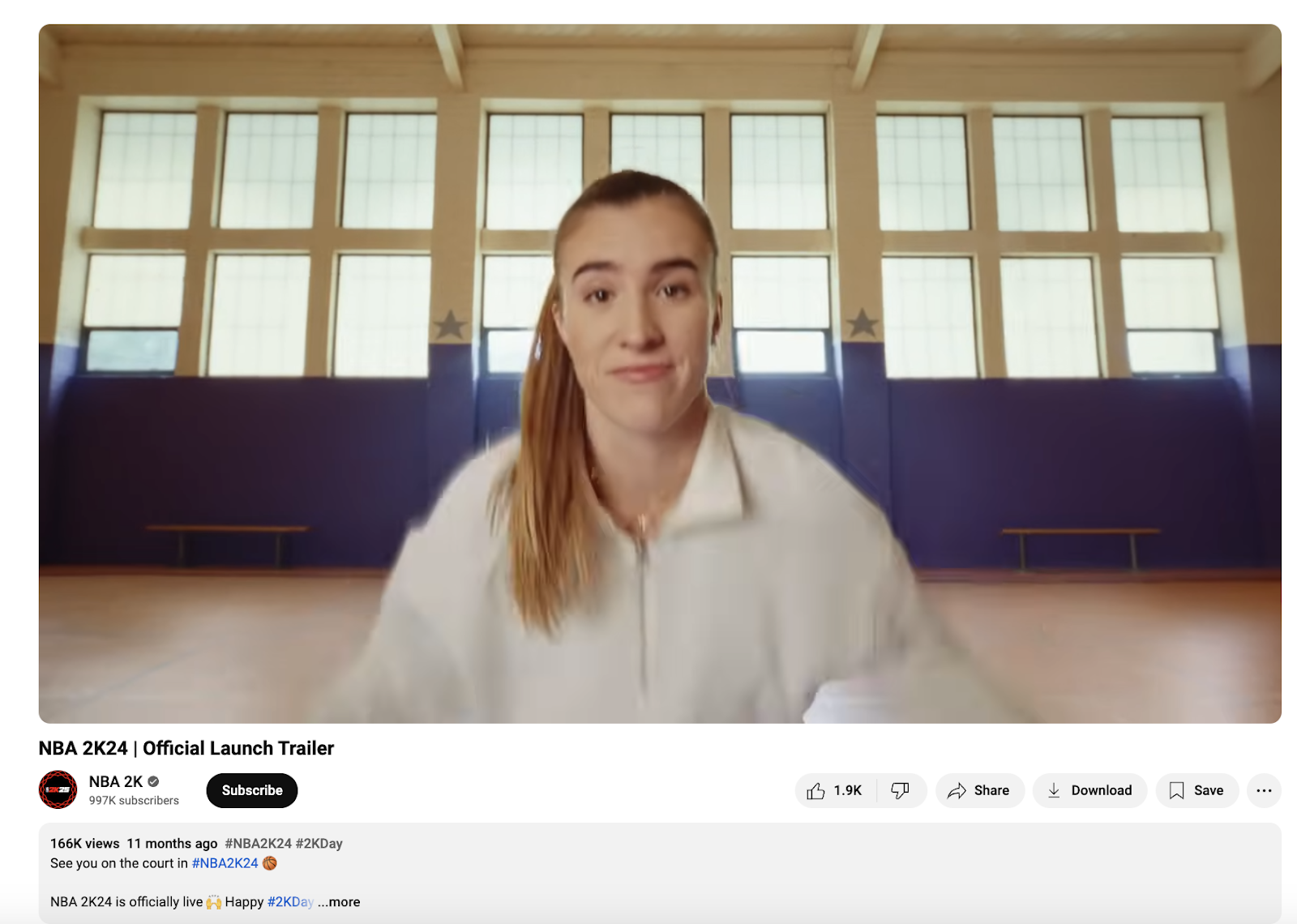
If you've got something new to offer, launch videos are one of the best formats for social media. They grab your target audience's attention and put your new product or service in front of the right people fast.
A carefully planned and executed launch video builds excitement before people have even tried what you're launching, and that early buzz often carries the momentum into your wider marketing strategy.
3. Giveaways videos
Are you looking to improve your engagement across social media platforms? Irrespective of the platform you choose, giveaway videos can help you hook your existing audience and connect with the right potential prospects.
You can create different challenges in these giveaway videos to turn your viewers into your brand ambassadors. Your giveaway videos should explain the challenge rules and showcase the prize, so your audience gets excited to participate.
NPR’s Tiny Desk concert series uses contest videos to invite musicians to submit their performances. This has resulted in a tonne of user-generated content and increased engagement.
4. Promotional videos
Who doesn't love a good deal?
Your potential customers are far more likely to buy your product or service if you offer them a great price, and a video says that more persuasively than a static post ever will.
Burt's Bees is a good example of a brand using promotional videos effectively, pairing product shots with genuine discounts and deals to make the offer feel worth acting on. An AI ad maker can also help brands create engaging promotional videos quickly, making it easier to showcase products and offers.
5. Live videos
Live video is one of the most underrated tactics brands use on their chosen social media platform, but it's a great way to engage with your hard-core fans.
You can make announcements, demonstrate products, or simply interact with viewers in real time.
Going live on Instagram or Facebook creates a sense of immediacy and transparency that pre-recorded content can't quite match, which helps drive engagement while it's happening.
Agorapulse provides a great example, sharing timely updates and engaging directly with their audience to keep interactions feeling dynamic.
6. User-generated videos
If you want to boost your credibility and trust among your viewers, you can rely on UGC videos.
They're a goldmine for your social media game.
On top of that, they're authentic, require minimal effort from you, and work as social proof more powerfully than anything scripted.
Encourage your customers to create content using your products and share it under your branded hashtag.
Huda Beauty is a great example, regularly reposting videos from real users showing off their makeup looks. It doesn't get easier than that.
7. Behind-the-scenes videos
Everyone loves a good behind-the-scenes look!
Scratch that itch. You can satisfy your audience’s curiosity by giving them a sneak peek of your office, packaging, or other operations.
A glimpse into your company’s inner workings or even just a fun day at work can add an advantage to your social media presence, showcasing that you are not a faceless corporate brand but have real humans helping the target audience.
For example, Somisomi, which is a soft-serve company, uses behind-the-scenes videos to share how they create their delicious treats. This makes the brand more relatable and trustworthy.
We built a whole three-part series around this idea for Bella Coco, a crochet YouTuber with over a million subscribers. Rather than just filming her studio move, we leaned into the relationships around her, her mum, her best friend, and the daily hijinks between them, alongside short-form trailers and vertical videos built for social. This format works because it's the story behind the story, not just another product shot.
8. Product videos
Make your products stand out from the crowd on social media.
With attention spans getting shorter by the year, your product videos need to hook the viewer right away.
GoPro is the perfect example to draw inspiration from.
They don't just show the product, they lean into storytelling, which makes the video content engaging rather than purely promotional.
Product demo videos and testimonial videos sit in this same family, showing a product in action or letting a real customer make the case for you, and both work well as a follow-up to a more cinematic hero video.
9. Informative Videos
Delivering real value through your videos can really build long-term relationships with your audience on social media, not just quick engagement spikes.
By regularly sharing insightful content, you build trust and establish your brand as a reliable source of information.
Vox is a great example, taking complex topics and turning them into short, digestible videos for their social channels.
This works whether your video style leans short-form or long-form content, so long as the pacing suits the platform.
And since plenty of people watch without sound, adding captions isn't optional if you want the message to land.
10. Interviews and Q&As
Interviews and Q&A sessions are fantastic for connecting with your audience and providing valuable insights.
You can interview industry experts, team members, or even customers to share their perspectives.
This can position you as a thought leader in your niche, and people will look forward to what your brand has to say about the latest trends in the industry.
This format also does particularly well on LinkedIn, where thought leadership content tends to get rewarded.
Mix it up by preparing your own questions or pulling them straight from your audience.
A well-run interview series pairs nicely with a proper studio podcast production setup if you want to turn one conversation into video, audio and social clips all at once.
Simply Thrilled Has You Covered
Now that you've got a shortlist of social media video types worth trying, it's time to work out who actually makes them. That's where we come in.
We're Simply Thrilled, a multi-platinum award-winning video production agency with years of experience helping brands strengthen their social media presence. With over 59 million views generated for our clients and 2,000+ TV broadcasts to our name, our reach stretches pretty far.
Our founder Jack Delaney puts it simply: the brands that win on social aren't the ones with the biggest budget, they're the ones brave enough to stop hiding behind drab talking-head shots and actually show some personality. That thinking runs through everything we make, whether it's a quick TikTok cutdown or a full brand campaign.
We handle all planning and execution aspects of your social media marketing strategy, ensuring you achieve your desired engagement with powerful content, including through our ongoing video content subscription if you need a steady supply.
So, what are you waiting for? Contact our team to discuss your requirements and transform your social media presence like never before.
Frequently Asked Questions
1. What type of social media video performs best?
Short, native videos under two minutes tend to perform best across most platforms, especially formats like how-to, UGC and behind-the-scenes content that feel authentic rather than overly polished. The best type of social media video still depends on your goal, whether that's reach, trust or direct sales.
2. How long should a social media video be?
Most platforms reward shorter content, so keep Instagram and TikTok videos as tight as you can, and save the longer 2 to 3 minute range for YouTube if the content genuinely earns it. Cutting a longer video into a few sharp short-form clips usually beats posting the full thing.
3. Should I use short-form or long-form video for social media?
Short-form video generally wins for reach and quick engagement, while long-form video builds deeper trust once someone is already interested. Most brands do best mixing both: short-form content for discovery, long-form content to build the trust that leads to a sale.
4. Is user-generated content better than professionally produced video?
Neither is strictly better, they do different jobs. UGC tends to feel more authentic and trustworthy, while professionally produced video gives you more control over brand tone and quality. A good social media strategy usually blends both rather than picking one.
5. How often should a brand post video on social media?
There's no universal number, but consistency matters more than volume. Most brands see better results posting a smaller number of well-made videos regularly than flooding feeds with rushed content. Start with what you can sustain, then scale up from there.
.jpg)
.jpg)
.webp)


