Sketch & Skit Series for Brands: A Guide to Branded Comedy Content
Sketch and skit shows for brands are short, scripted comedy videos that share characters, a format and a tone, released on a steady schedule. A one-off spot asks for attention once. A run of episodes earns it again every week, which is why teams now treat a comedy show like a television commission, with a writers’ room and a release calendar.
Why Brands Are Turning to Comedy Series Instead of One-Off Ads
Brands turn to comedy because one spot gets a single shot at attention, while a recurring show builds an audience. People come back for characters they like, which lifts audience retention. Every episode also reuses sets, cast and scripts, so the cost per episode can fall over time.
Broadcasters spotted this first. In 2016, NBC’s Saturday Night Live said it would cut two breaks per episode, about 30 per cent of its commercial time, and let companies co-create branded segments six times a year, as YouGov reported. In 2017, Comedy Central began swapping one monthly commercial break for a two-and-a-half-minute piece called Handy, with Zales and Joe’s Crab Shack as early sponsors, as Marketing Dive reported.
For the numbers on how the two routes pay back, see our branded ROI guide.
Sketch Series vs Skit Series vs Sitcom-Style Content
A sketch show strings together self-contained scenes, each with a fresh setup. A skit is tighter: one idea, one scene, built for the scroll. The third format keeps one world and one ensemble cast, so the story carries from episode to episode. That makes it the most episodic of the three.
Sketch comedy shows have the longest pedigree, and each one teaches brands something. The BBC’s Monty Python’s Flying Circus, whose team later moved into comedy films, shows the value of a house style. Saturday Night Live, where Will Ferrell became a star as a cast member, shows the pull of a weekly ritual. Carol Burnett and Tracey Ullman each led a variety show built on recurring characters, and the Muppets show that a puppet can carry a message. Mr. Show with Bob Odenkirk, In Living Color from the Wayans family, Chappelle’s Show and The Ben Stiller Show each had a distinct comic voice. Little Britain, from Matt Lucas and David Walliams, ran on a cast of recurring characters. Keegan-Michael Key and Jordan Peele show how a double act can carry a format. MTV’s Human Giant, with Aziz Ansari, Rob Huebel and Paul Scheer, built its comedy from short sketches, much like a feed-length skit. Fred Armisen and Carrie Brownstein’s Portlandia was built around one place, and Nickelodeon’s All That aimed its sketches at children.
The best sketch comedy shares one trait: a house style you can spot in three seconds. A spoof borrows a known format and bends it, while a parody aims at a target. Surreal sketch comedy, with its absurd logic, suits brands that want to look odd on purpose.
Skits are short comedy sketches, often 30 seconds to two minutes, built around one bit. They are cheap to shoot, easy to batch and quick to cut for a feed.
Story-led formats reward loyal viewers with running jokes. Sitcoms fill a half-hour slot, and most TV shows of this kind use the opener to teach the audience who everyone is. For brands, three to six minutes per episode is typical.
How to Integrate a Brand Without Killing the Joke
Work the sponsor into the world of the joke, not the punchline slot. Four methods cover most needs, from light to heavy. Choose the lightest one that still meets your goal.
- Product placement. The product appears in a scene and a character uses it, with no line about it. It is the cheapest method.
- The business as the setting. The story takes place in the café, the office or the depot.
- The business inside a character or story. A character carries your values or your customer’s problem. This is the deepest method and the hardest to get right.
- Soft sponsorship. The show is “brought to you by” a sponsor with a short bumper, and the jokes stay untouched.
Run one test on every script: would people still watch if the logo vanished? If not, the integration is too heavy. Kantar found no direct link between humour and remembering the advertiser, but recall is strong when the sponsor is central to the joke.
Label paid-for work. Under the CAP Code, adverts must be obviously identifiable, and the ASA is likely to expect a prominent “Ad” label upfront on influencer posts. Its rulings name both the influencer and the sponsor.
Recurring Characters and Formats That Keep Audiences Coming Back
Audiences return for characters they like and a format they can predict. Give each recurring character one clear flaw and one want, repeat the setup every episode and change only the situation.
- Build jokes from human behaviour. Pop-culture references date fast.
- Start with a duo. Two people with opposite wants in one setting is the easiest engine to repeat.
- Give them a routine. A repeated setup lets viewers guess the next beat and enjoy being right.
- Keep the frame steady. Same length, same release day, and a premiere for every episode.
- Make the first episode count. Introduce everyone, then change only the situation.
Which Platforms Suit Which Comedy Formats
Short skits suit TikTok and Instagram Reels, longer sketches suit YouTube, workplace humour suits LinkedIn, and polished episodes suit Connected TV.
- TikTok: fast skits with a hook in the first seconds. Work with a creator who already has the audience, and keep it social-first.
- Instagram Reels: a sharp 60-second reel with captions that work on mute.
- YouTube: longer sketches for viewers who subscribe and return.
- LinkedIn: office and B2B humour with a light touch.
- Connected TV: polished 30-second spots and longer episodes for the big screen.
If your idea leans toward story over gags, vertical micro drama is a close cousin of the skit. Our social video team can plan each feed, and video trends show how short-form habits keep shifting. Cut each feed its own edit instead of posting one version across social media.
Brands That Suit Comedy, and Brands That Should Think Twice
Comedy suits organisations with a friendly, low-stakes product and a willingness to laugh at themselves. It is riskier for regulated sectors, sensitive subjects and vulnerable audiences. If a joke could leave someone mocked, misled or unsafe, drop it.
Regulated industries. Finance, alcohol, gambling and medicines carry sector rules on top of the general ones. The ASA says the misleading, harm and offence rules apply to all ads, whatever the product, so a funny script still has to pass compliance.
Sensitive audiences. The ASA also expects enhanced disclosure for anything aimed at under-12s, so a playful tone is no excuse for a vague label.
Sensitive subjects. Illness, debt and bereavement can be handled with humour, but only with care.
Reputation. A joke that fails gets screenshotted and shared for the wrong reasons, so screen the cut with a small audience first. A hilarious idea that mocks your customers is still a bad idea.
What Goes Into Producing a Branded Comedy Series
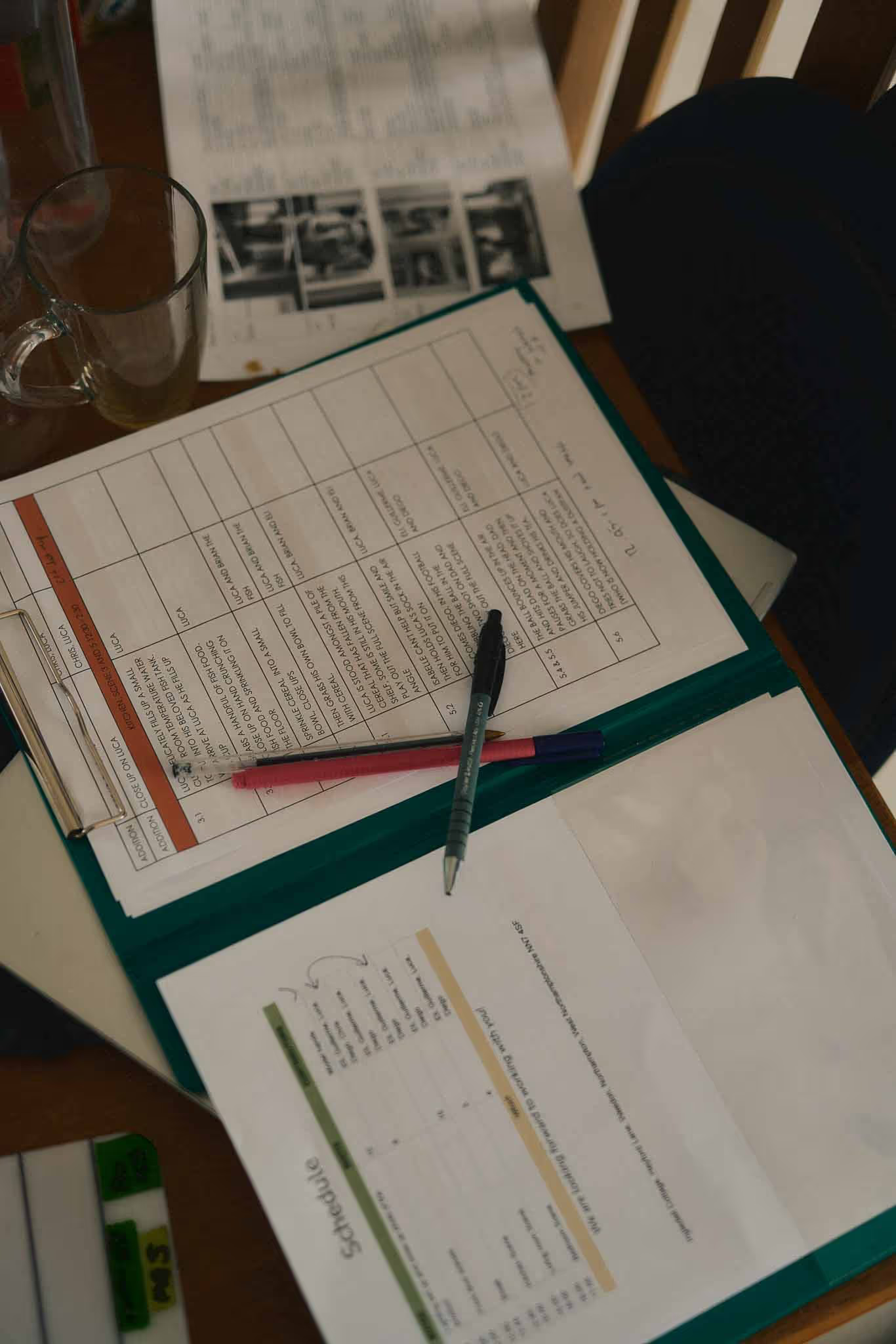
Producing a branded comedy run takes five stages: development, writing with approvals, casting, a batched shoot, and the edit with cut-downs. Batching cuts cost, because many episodes share one set and one crew day.
- Development. Agree your comedic voice first. Dry wit, silly or dark? Settle tone and audience before a word is written.
- Writing and approvals. A writers’ room can be two or three people, ideally with stand-up or sketch-comedy credits plus someone who knows the product. Some come from standup, others from improv. Move from outline to script to table read, and agree the approval path early: one decision-maker, one compliance check and fixed turnaround times.
- Casting. Look for a comedian or performer who can hold a straight face.
- Batched shoot. Film several episodes in a block.
- Edit and repurposing. Comic timing is made in the edit. Cut a vertical version, a two-minute LinkedIn edit and a 30-second TV spot from the same footage.
Smaller skit runs start from around £3,000 to £5,000 on our pricing. Because every episode reuses the format, a multi-episode commitment or a video retainer can lower the unit cost further.
How to Measure a Branded Series Beyond Views
Measure what viewers do after the first few seconds, and treat raw views as the least useful number. A simple framework works well:
- Audience retention. Where do people leave, and what happened just before?
- Completion rate. The share who finish tells you if the pacing works.
- Follower growth. A good run gains followers steadily, not in one spike.
- Shares and saves. A share is a vote that the joke was worth passing on.
- Returning viewers. Who watched episode three and came back for four?
Set a baseline after a few episodes, then change one thing at a time. Do not chase viral.
How Simply Thrilled Makes Comedy for Brands
Simply Thrilled is an award-winning company in the UK. Our comedy work has included projects for the NHS, Island Records and Universal, plus charities and influencers. We offer scriptwriting, writers’ rooms and audience testing before launch.
We also build multi-episode campaigns, mockumentaries and satirical game shows, from three-minute episodes to longer YouTube formats.
Final Thoughts: Entertainment First, Brand Second
Viewers owe your sponsor nothing, so let the product earn a place in the story.
Start small: one format, two or three characters, one batch shoot.
Ready to make your own? Explore our comedy production and branded agency services, see how we handle long-running, character-led work in Bella Coco, a three-episode behind-the-scenes show for a YouTube crafter with over a million subscribers, then contact us with your idea.
FAQs
1. How much does a comedy run for brands cost?
It depends on scope. Smaller skit runs start from around £3,000 to £5,000 on our pricing, and bigger scripted ads can reach £50,000 or more.
2. How many episodes should a first run have?
Enough to shoot in one batch and learn from. Check retention and completion, then extend.
3. Who needs to approve the scripts?
One decision-maker at the sponsor, a compliance check for regulated sectors, and fixed turnaround times.
4. Which platform should we start on?
Start where your audience already spends time, and cut for that feed.