
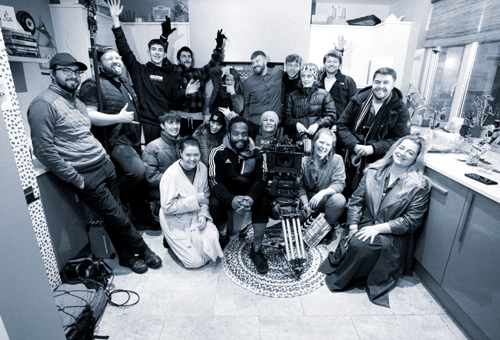
Creator-Led Corporate Video: What It Is and Why It's Growing
Creator-led corporate video is company video fronted by a real person, such as a founder, a team member or an outside voice, and filmed to feel native on social platforms. It's growing because people trust people more than logos. It isn't replacing the studio film. It sits beside it.
For years, corporate video meant a scripted voiceover, a tidy set and a message delivered in a careful tone. Engaging videos can look different, and a second format has grown up beside the first.
What Is Creator-Led Corporate Video?
Creator-led video for brands is footage shaped by a real person speaking in their own words, not a script written for a company to deliver. It covers founder films, staff-made clips, customer stories and UGC-style video made for social feeds.
Goldman Sachs Research expects the creator economy to approach $480 billion by 2027, up from about $250 billion in 2023.
The creator economy for B2B brands is less about money and more about the toolkit: single-camera setups, direct-to-lens delivery and language that sounds like a person, not a brief.
That doesn't mean low effort. A good clip is planned, has one point and is cut for pace.
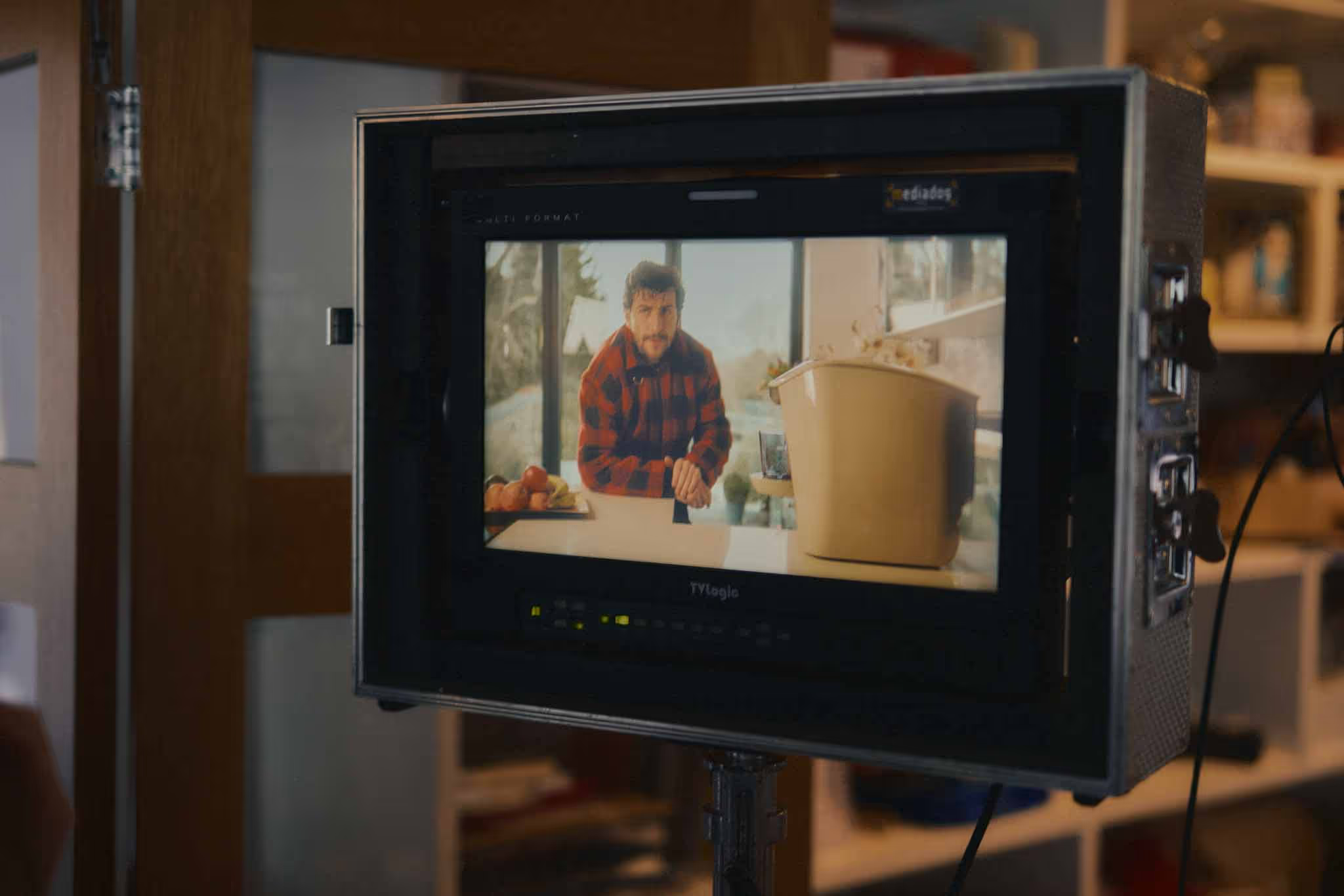
Where a studio team might storyboard every frame and animate a logo sting, creator-style corporate content leans on native content habits: vertical framing, a hook in the first few seconds and captions built in. Human-led brand storytelling does the rest, with no pitch tacked on the end.
Why Audiences Trust Creators Over Corporate Messaging
People trust people who feel like them more than they trust companies. Nielsen's 2021 Trust in Advertising Study found that 88% of respondents trust recommendations from people they know more than any other channel.
The same pattern shows up in work buying. Forrester research found that most survey respondents say buyers trust their industry peers, with vendor salespeople the least trusted group tracked. A second Forrester study also ranked coworkers and peers above vendor salespeople.
So why does a rough clip feel more honest? Viewers read production cues as clues about who made the video. A glossy set, a music bed and perfect lighting tend to say "made by marketing," and the ad filter goes up.
A phone, a real office and a few stumbles tend to say "made by someone who works here," so the point has a better chance to land.
That's why authentic content often earns attention first, and it's how lo-fi authentic video marketing works, and it's how brand trust gets built before the message even arrives.
In the polished vs authentic question, neither side is lying. They just send different signals.
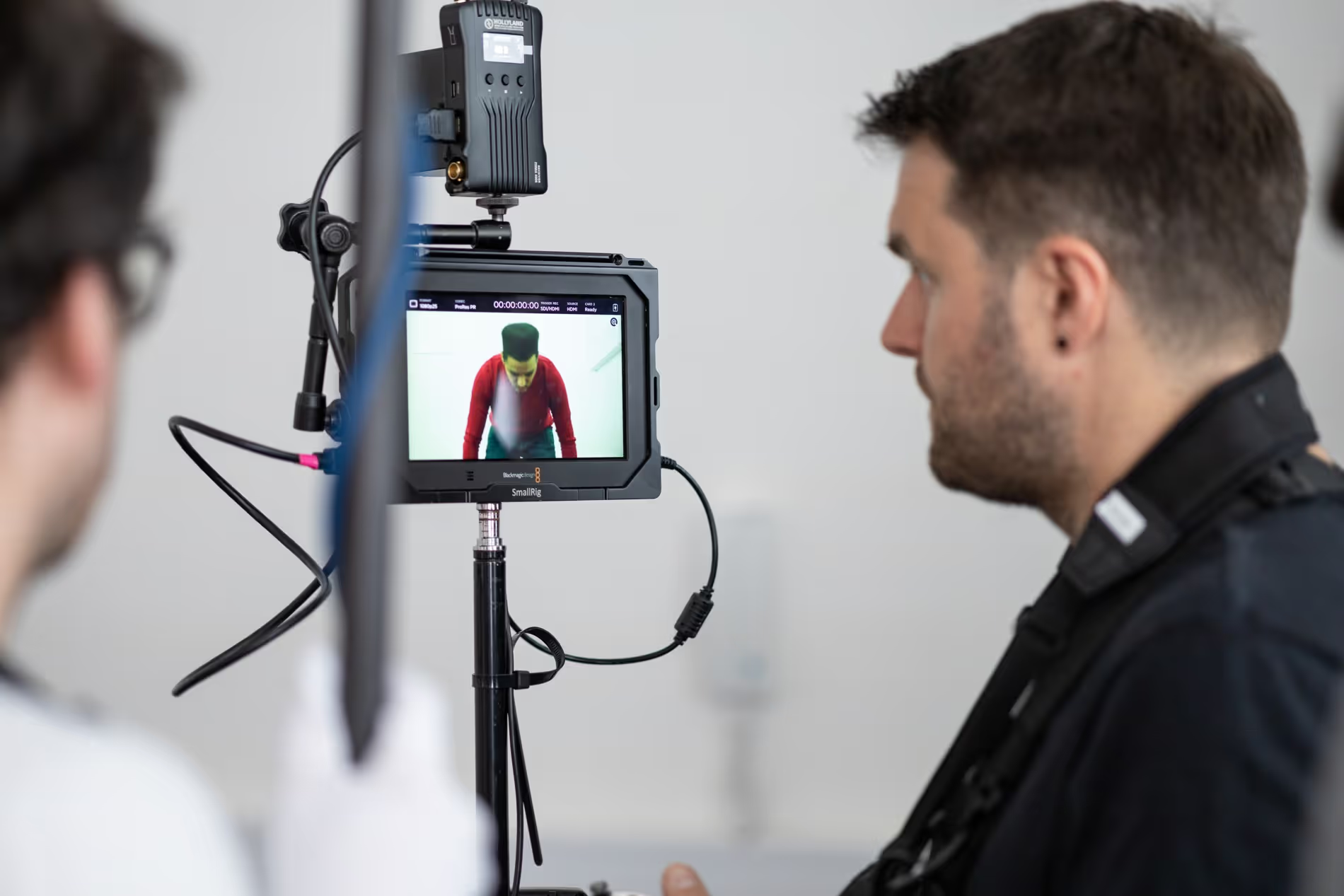
Creator-Led vs Traditional Polished Corporate Video
In the authentic brand video vs polished corporate video debate, the difference is intent, not quality. People-led videos aim to feel personal. Studio video aims to look consistent and controlled. Each does a job the other can't.
A well-crafted corporate video still earns its budget, and an effective corporate video is judged by whether it does its job, not by what it costs.
A campaign film, a company anthem or a TV spot needs studio lighting, sound design and a crew who can deliver high-quality video across several locations in a week. That's where professional videos and impactful corporate videos come from, and where corporate video production pays off.
UGC-style corporate video and staff-made clips win on speed, volume and fit with the feed. They also tend to read less like an ad, so they're an easy way to test ideas. Neither is the best corporate video on its own.
Strong plans use compelling corporate storytelling for the big moments and everyday clips for the rest. Looking at a few corporate video examples from both sides makes the call easier.
Founder-Led and Employee-Led Video: A Growing Subset
Founder videos and staff-made clips are the easiest starting points because human-led production needs a voice that already exists and costs nothing to cast. A founder explaining why they started the business does more to humanise a company than most scripts.
Founder-led video puts the person behind the business on camera: why they started it, what they believe, how they'd explain the product or service to a friend.
Employee-led video content covers employee spotlight videos, company culture videos, recruitment videos and training videos, all filmed by the people doing the job. Customer testimonial videos sit alongside, letting a client make the case a company can't make about itself.
These are practical corporate video ideas for a team with willing people on staff.
Employee-generated content also travels further. Social Media Today reports earlier research showing posts shared by employees earn 8x more engagement than the same posts from company channels. That figure comes from older studies, so treat it as a direction, not a promise.
Simply Thrilled's branded video production service includes founder or origin films for this reason: the person behind the business, on camera, telling it straight.
Where Creator-Led Video Works Best (And Where It Doesn't)
It works best on social feeds, hiring, customer proof and everyday storytelling. It works worst where a company needs total control: product launches, investor content and major brand campaigns, where slick studio work still leads.
Among the different types of corporate videos, the benefits of using corporate videos show up when you match format to job:
- Social media video and short clips: lo-fi video that's native and quick to make, ideal for social media video feeds
- Hiring and culture: staff voices beat a casting call
- Customer proof: lightly produced, since honesty matters more than gloss
- Product video and explainer video: either route, depending on whether it's a quick demo or a flagship launch
- Animated video and video script-led explainers: usually studio work, because animation is craft-heavy
- Investor material, launches and big campaigns: studio production, where control matters more than speed
Of all the types of videos a team can plan, the most impactful video isn't the priciest. It's the one matched to its job. For most teams, running both formats side by side works best.
How to Bring Creator-Led Video Into Your Content Strategy
Start by finding who already speaks well on camera, give them loose guardrails instead of a script, and build a repeatable video creation process around short, native-first clips.
- Find your voices. A founder, a few confident staff and some happy customers.
- Write guardrails, not scripts. Three points to cover and two to avoid keeps brand safety intact without sounding rehearsed.
- Batch the shoots. One afternoon can create videos for a month, which is how a team builds a marketing video habit at volume.
- Mix formats on purpose. A creator-led video strategy pairs staff clips with occasional studio work.
- Review quarterly. Use engagement and leads to refine future video strategies, not edit-room opinions.
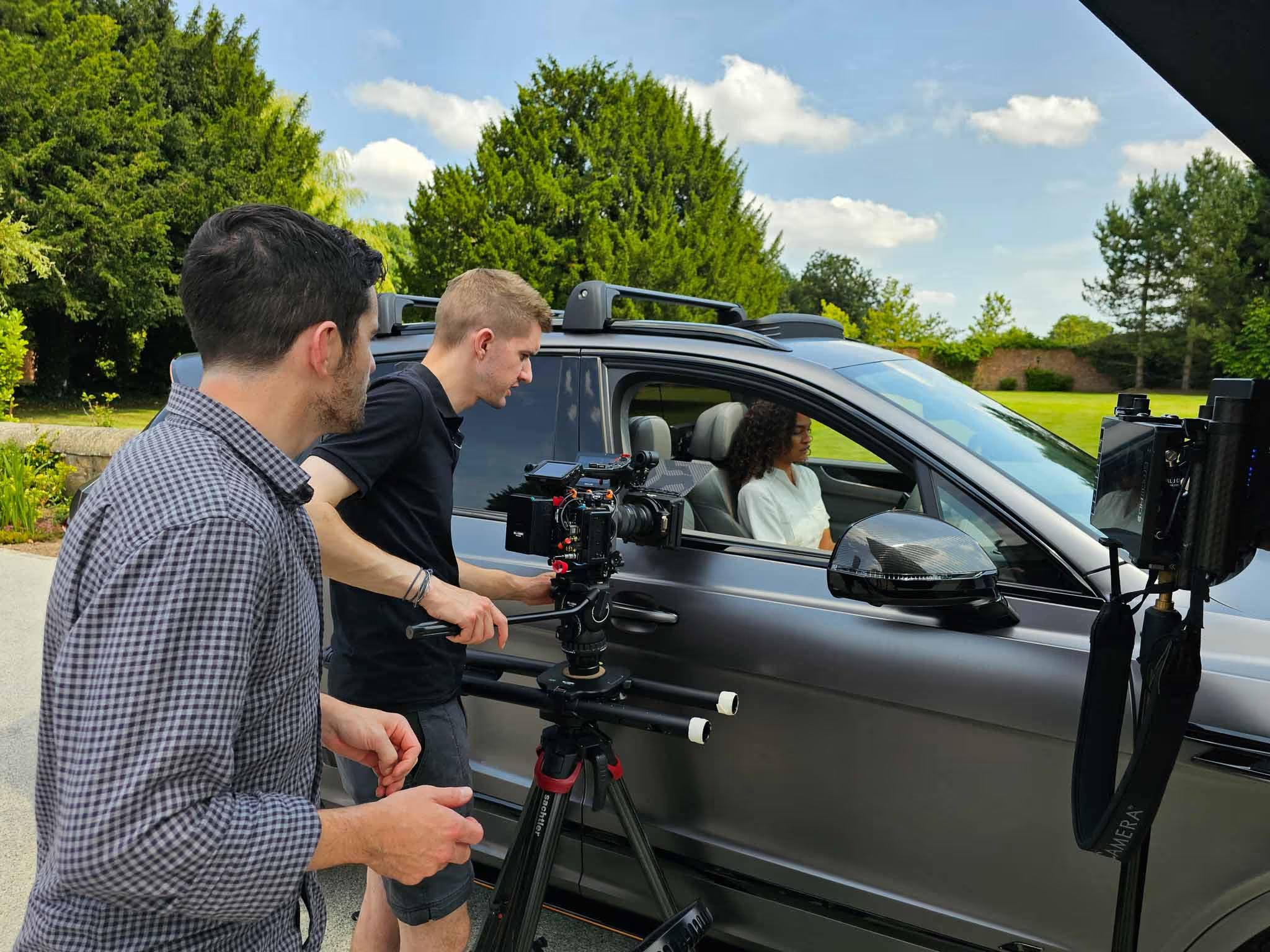
If you lack an in-house video production team, outside video production services can own the video production process, from briefs to cutdowns. Among video production companies, Simply Thrilled is built to run both lanes.
A monthly retainer or a partner for UGC content turns one shoot day into a month of video content, and ideas to elevate corporate videos can sharpen the studio side.
How Simply Thrilled Blends Creator-Led and Studio-Led Production
Simply Thrilled covers both lanes under one roof. As a corporate video production company that also runs influencer and UGC campaigns, it can match the format to the brief, from branded entertainment to a quick staff clip.
The team has made videos with KSI and campaign-led storytelling for NHS England with BAFTA-winning actress Vicky McClure. Briefs are co-written with the person on camera, not imposed, and the kit scales from a one-camera TikTok setup to a full cinema package.
For scaled UGC production, the Machine Of Influence service delivers a repeatable engine for social-first work.
When a launch needs full craft, the studio side takes over: casting, sound design and colour grading, with distribution planning built into the process. Cutdowns and multi-format edits sit inside the process, so one shoot feeds every platform.
Final Thoughts: Finding the Right Balance
This format adds to the studio film rather than replacing it. It brings speed and trust at a lower cost per clip, while studio production keeps the big moments.
Start with founder and staff voices. Build a steady process, such as a monthly video retainer. Keep the studio budget for work that needs control, like a corporate film or a flagship launch. Start small: use videos for marketing on Reels and TikTok to test, then scale what works.
Want a founder film that sounds like your founder, or a month of social clips from your own team? Tell us your goal and budget, and Simply Thrilled will shape the mix for your team. See our work for Nutra Check, Virgin Pure and NHS England, then get in touch. Let's make something great together.
FAQs
1. How much does this kind of video cost?
It usually costs less per clip than studio work. Simply Thrilled's influencer and UGC projects start around £2.5k to £5k, monthly social packages start from £2k a month, and brand films typically run £7,000 to £30,000. Corporate video packages start from around £2.5k for single-location talking-head formats. Quotes depend on deliverables and timeline.
2. What does the production approach look like?
A loose brief, a short shoot and a light edit built to repeat each month. Simply Thrilled can cast, brief, contract and manage talent, or work with the people you already have. Smaller Simply Thrilled influencer and UGC projects can wrap in a few weeks, and campaigns may take six to eight weeks, depending on talent availability.
3. How do you keep it brand safe?
Agree a short list of topics to cover and avoid, then add an approval step before anything goes live. Keep the checklist short so reviews stay quick, and ask each contributor to read it before filming. For paid posts, the ASA's influencer guide explains when a clear ad label is needed, and it's written to help brands and agencies too.
4. How do you keep a series consistent?
Use a shared style guide for captions, intros and framing, and give everyone the same three or four talking points. Delivery stays natural, so the series still feels connected. Simply Thrilled delivers cutdowns such as 9:16 Reels, 1:1 versions and captioned edits from one shoot.
.jpg)
.jpg)


